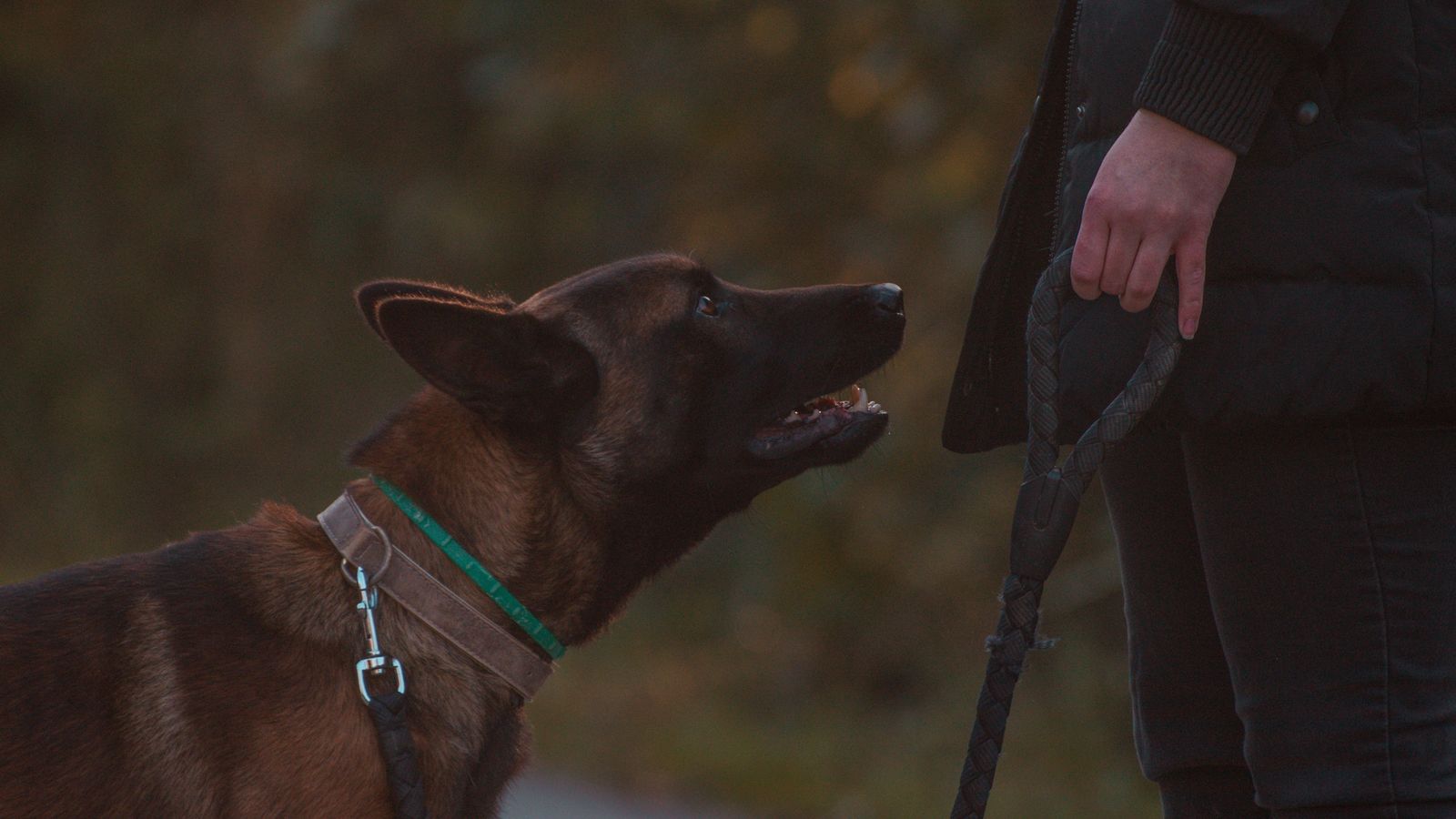
Almost every reactivity setback we see comes from a small number of understandable, well-intentioned mistakes. None of them mean you are a bad owner. They are just easy traps, and knowing them in advance saves you weeks of frustration. Think of this as the troubleshooting chapter of the reactive dog playbook.
Working too close, too fast
This is the big one. When you work nearer to a trigger than your dog can handle, you push past threshold and rehearse the reaction instead of replacing it. The fix is almost always more distance than feels necessary. If your dog will not take food, you are too close, full stop.
Punishing the reaction
Yelling, leash-popping, or otherwise punishing a barking, lunging dog is both unkind and counterproductive. Reactivity is driven by emotion, and punishment adds fear to an already overwhelmed dog. Worse, it can suppress the warning signs, so a dog who used to bark a clear “I am uncomfortable” may go quiet and then escalate without warning. We never use pain or intimidation, and this is one of the clearest reasons why.
Flooding and forced greetings
Throwing a fearful dog into the deep end, or forcing an on-leash hello, usually backfires. Calm exposure at a safe distance beats overwhelming exposure every time, and skipping forced greetings is part of why dogs do better off leash.
Expecting a straight line
Reactivity progress is bumpy. Treating a single bad day as proof that nothing is working leads people to quit right before things turn. A realistic recovery plan builds in setbacks and protects you from this trap.
Skipping management and the basics
Trying to train through reactivity while your dog rehearses it all day, patrolling the window or melting down on every walk, is like bailing a boat without plugging the leak. Solid management and the right gear, like a well-fitted no-pull harness, come first so your training has a chance to stick. Pile on too much and you also invite trigger stacking.
When mistakes are not the issue
Sometimes you are doing everything right and still feel stuck. That is not failure, it is information. A force-free trainer can spot the subtle thing you cannot see from inside the situation, and help you adjust. Many mistakes come from missing what your dog’s body language was telling you.


